Victory for Urban Biodiversity: Bellbird Streets Excised from Blackburn Activity Centre
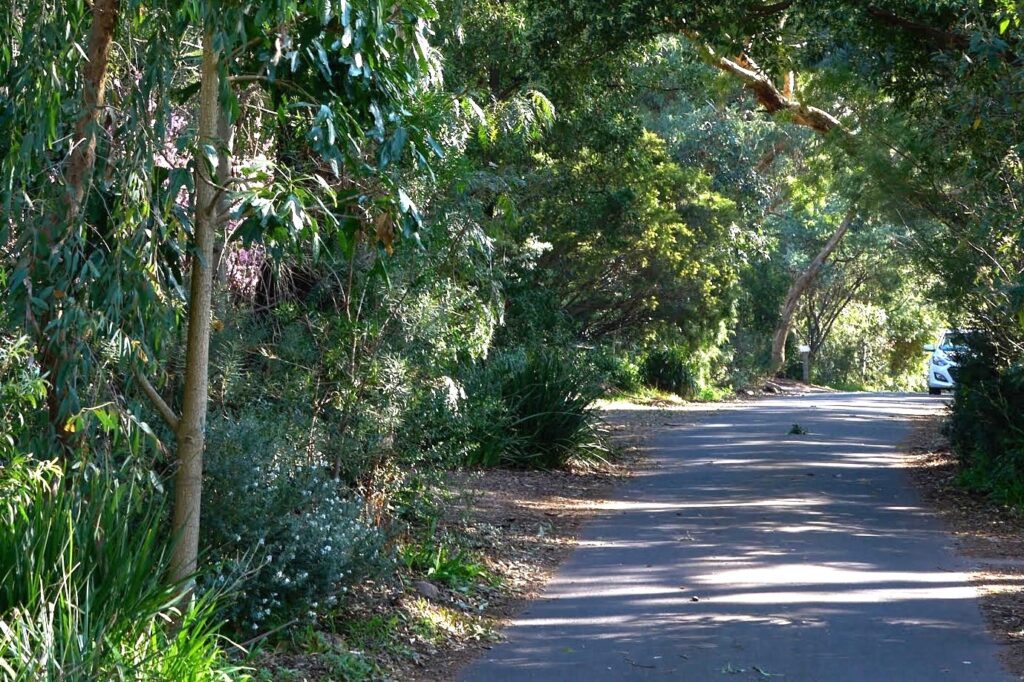
In a victory for community advocacy, backed by a 50 year old cultural landscape classification by the National Trust, the Department of Transport and Planning has decided not to include the Bellbird Streets in new draft maps for the Blackburn Station Train and Tram Zone Activity Centre.
Recently the Department of Transport and Planning (DTP) consulted on draft plans that proposed to include the Bellbird area within the Blackburn Activity Centre, bringing it under a new Housing Choice and Transport Zone (HCTZ) — a designation that would allow for residential development of greater height and density. Within an HCTZ, special planning rules apply to expedite the delivery of new housing, including ‘Deemed to Comply’ provisions that do not allow input from existing residents or community advocates like the National Trust.
The National Trust acknowledges that additional housing in our cities is required, and we support the thoughtful development of places hand in hand with the protection of our heritage, local character and green spaces. However, the Bellbird area presents a particular set of circumstances that have warranted careful consideration.
In 1976, the National Trust classified a series of streets near Blackburn Lake, recognising their exceptional environmental and amenity value, the quiet, treed streets of the Blackburn Lake and Bell Bird Streets cultural landscape (L10001) were described as ‘an oasis in suburbia’. The Bellbird area named for the Bell Miner birds whose distinctive calls characterise the neighbourhood, forms an integral ecological corridor linking the surrounding landscape to Blackburn Lake and providing vital pathways for fauna movement.
During a first phase of community consultation regarding the Train and Tram Zone Activity Centre Program in Blackburn, residents and the Whitehorse City Council raised well-founded concerns that development under the new zoning would fail to account for the unique nature of Bellbird streets, especially the vegetation that makes the area special. The National Trust also made a submission to the consultation, supporting the work undertaken by community groups including the Bellbird Residents Advocacy Group and Whitehorse City Council, we called for the Bellbird Streets to be excised from the HCTZ.
DTPs own analysis of feedback to the Blackburn Activity Centre consultation has noted that existing trees and vegetation, as well as the neighbourhoods character, including heritage buildings, were the elements most valued by the community, and to improve the area, more vegetation and urban green spaces should be added.
At a time when Urban Biodiversity is both under increased pressure, and of vital importance to our own health and wellbeing, the National Trust’s 1976 cultural landscape classification is more relevant than ever. The value of urban biodiversity to human health and wellbeing is well documented. A positive connection to nature in the places where we live is a key driver of broader environmental advocacy, and we carry an inherent responsibility to conserve the native species that take refuge in our cities.
We applaud DTP for meaningfully responding to feedback received during community consultation. It is encouraging to see that these unique places will continue to be protected and conserved, demonstrating the positive impacts that community advocacy, backed by heritage philosophy, can achieve.
Phase 2 consultation on draft plans for the Train and Tram Zone Activity Centre Program will remain open until 22 March 2026. We encourage all those with an interest in the future of Activity Centre areas to make their voice heard.
For more information and to have your say visit the website here.
Feature image: Bellbird. Credit: Bellbird Residents Advocacy Group
+ There are no comments
Add yours