A New National Cultural Policy for Australia
Heritage at the Heart of National Cultural Policy
The new National Cultural Policy presents an important opportunity to rethink how we define culture, creativity, and national identity. For too long, heritage has sat at the margins of federal cultural policy, despite its profound role in shaping the stories, traditions, places, and practices that define who we are as Australians.
In our submission to the public consultation process, the National Trust of Australia (Victoria) argues that heritage must be intentionally embedded within Australia’s cultural framework and recognised as a core contributor to arts and culture.
The Missing Piece in Australia’s Cultural Framework
The consultation paper for the new cultural policy focuses on “Australian stories and Australian creativity in all its forms.” Yet despite this broad ambition, the role of heritage within federal cultural remit remains fragmented and limited.
This glaring absence of cultural heritage in the remit across federal government is symptomatic of the lack of acknowledgment, integration and visibility of cultural heritage in federal policy, including the current Cultural Policy.
The National Trust submission describes this as “a significant gap and a missed opportunity.” Without a clear culture and heritage program that values and celebrates heritage alongside arts and creativity, Australia risks overlooking one of its greatest cultural assets.
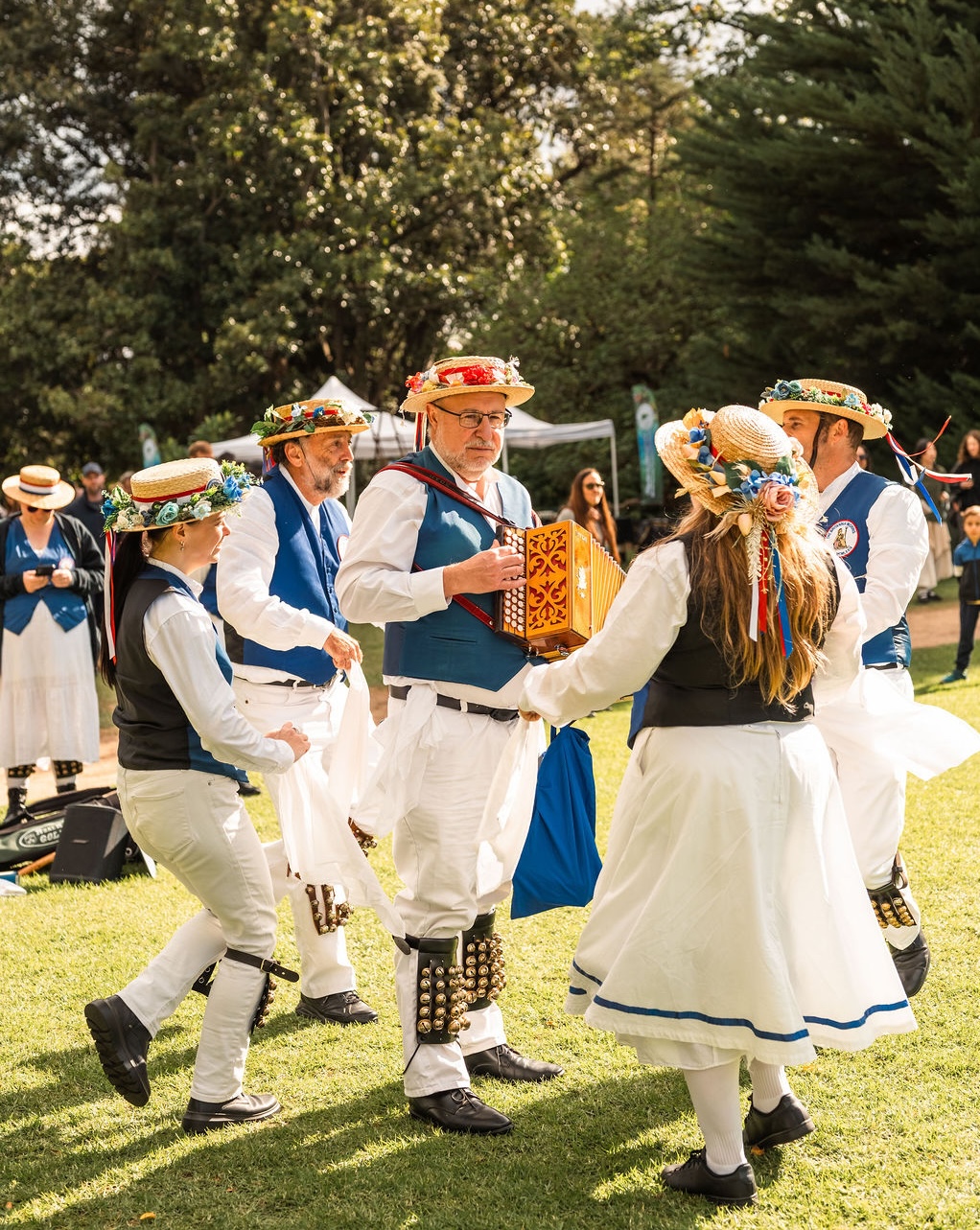
Internationally, many nations already recognise the intrinsic relationship between arts, culture, and heritage. Countries such as France, Canada, and the United Kingdom explicitly include heritage within their cultural sectors, acknowledging both tangible heritage — monuments, buildings, landscapes, and collections — and intangible heritage such as traditions, languages, craftsmanship, and performance practices.
Australia should do the same.
Why Heritage Matters to the Arts and Creativity
Heritage is often misunderstood as being solely about preservation or protecting the past. In reality, heritage is deeply connected to creativity, innovation, and community identity.
The National Trust submission outlines several reasons why heritage must play a more intentional role in Australia’s cultural policy. Because it:
- Provides identity, continuity, and meaning for people.
- Fosters social cohesion by connecting past generations with present creativity for communities.
- Ensures, the preservation of traditions, knowledge, and skills— such as design and performance—which act as a foundation for future artistic innovation and cultural diversity.
- Supports positive education and tourism outcomes by sharing stories and experiences about our history, ingenuity, and past innovations and mistakes as sources of inspiration for our today and tomorrow.
- Retains places of connection, meaning and value – providing spaces for arts, cultural and creative practice.
A Call for Federal Leadership
A key theme throughout the submission is the need for stronger federal leadership in integrating heritage into cultural policy and practice.
The National Trust recommends the establishment of a dedicated heritage unit within the Office for the Arts, staffed by qualified heritage professionals. Such a unit would help develop a more comprehensive and coordinated approach to heritage across government and ensure heritage is intentionally included within arts and cultural strategies.
The submission also calls for heritage to be embedded across all five pillars of the new cultural policy. This would position heritage places and practices as essential to sharing both historical and contemporary Australian stories.
The Trust further highlights the importance of supporting custodians of heritage places and collections. Effective storytelling, conservation, and activation require investment, expertise, and long-term support. Without adequate resourcing and integrated policy settings, Australia’s heritage values and creative potential cannot be fully realised.
Conclusion
The submission concludes that a fundamental shift towards supporting integrated, well-resourced, and expert-led heritage and asset management and activation practices is required to ensure a sustainable and richly creative Australia. Without this shift, Australia’s significant heritage values and creative practices will not be fully realised for the benefit of the Australian community.
Read the full submission to the Public Consultation here.
+ There are no comments
Add yours