Defence Estate Divestment – What is Happening – Facts and Participation
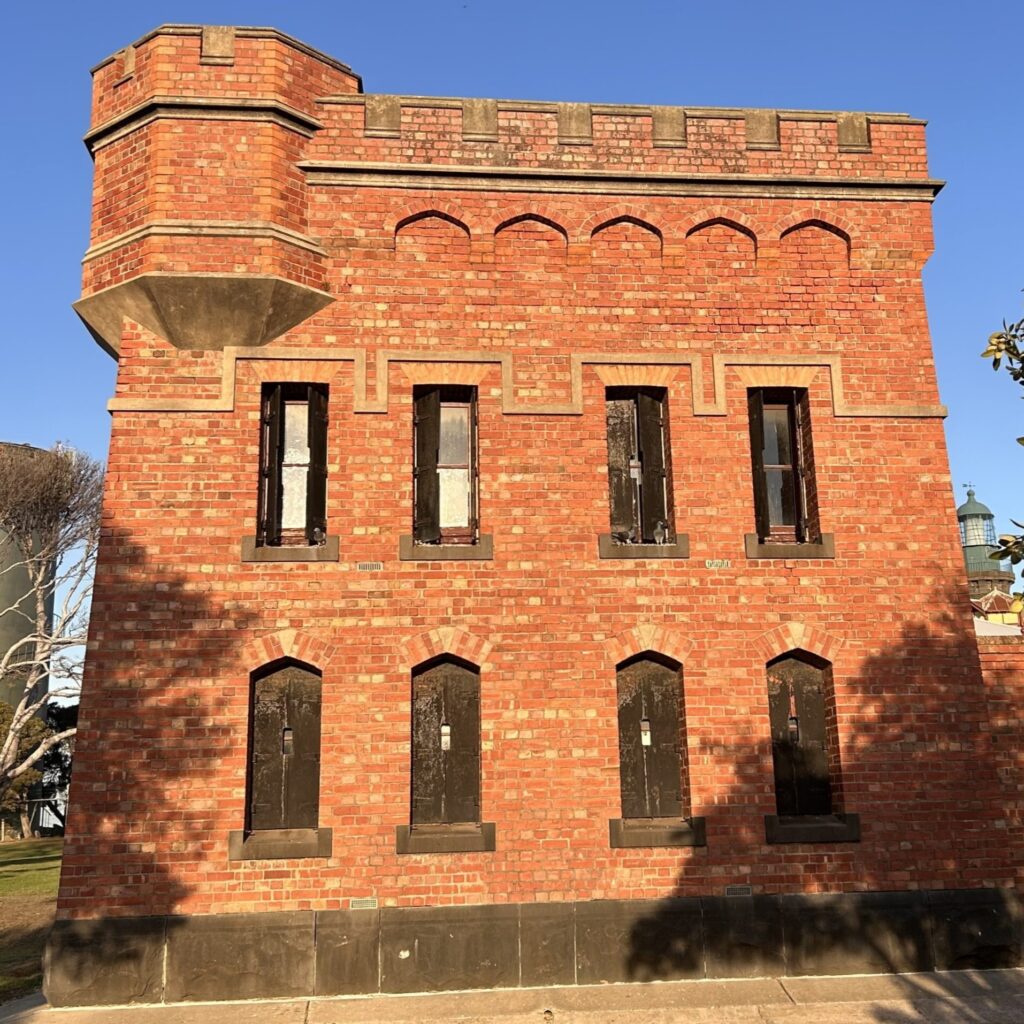
Featured Image: Fort Queenscliff
Australia’s Defence estate is undergoing one of its most significant transformations in decades. Across the country, communities are being drawn into discussions about the future of military land, heritage places, and public assets. Recent consultation sessions have highlighted both the opportunities and the uncertainties surrounding this process. Here’s a an overview of what’s happening so far.
Understanding the key processes
Three separate—but related—processes are involved here: the Estate Audit, the Divestment process, and a Senate Inquiry.
The Defence Estate Audit was completed in 2023 and publicly released more recently. Its primary purpose was to assess the military capability of Defence-owned properties. The 2026 Delivering the Future Estate Defence Estate Audit Report was publicly released 4 February 2026 by Richard Marles (Minister for Defence). From this report, 67 Defence owned assets across Australia will be wholly or partially divested, with the revenue from these sales being put back into the Department of Defence budget. The recommendation to divest these properties stems directly from this capability-based review, alongside suggestions to improve Defence estate management overall.
The divestment process is the practical implementation phase. It involves the 67 sites across Australia. Of these, 16 properties are in Victoria including historical sites such as Victoria Barracks, the Repatriation Clinic on St Kilda Road, the Maribyrnong Defence Site, RAAF Point Cook and Laverton, and Fort Queenscliff. The divestment process is being managed by both the Department of Defence and the Department of Finance. Key steps include relocating current site users, preparing land for sale, conducting consultation, and running Expressions of Interest (EOI) processes. Importantly, this is not an immediate sell-off—it is a staged process involving multiple layers of assessment and engagement.
Running alongside these is the Senate Committee Inquiry into the Management of Defence Estate Assets, This inquiry is examining how Defence properties are managed, used, and ultimately why this expansive divestment process has been initiated. It has already received over 100 submissions, including from the National Trust, and held multiple public hearings. While it does not directly control the divestment process, it will play an important oversight role and may influence future policy or adjustments. Reporting on the Inquiry has been extended to 15 September 2026.
Divestment Consultation Sessions
Members of the Conservation and Advocacy Team along with CEO, Collette Brennan attended the first round of community consultation sessions related to the divestment process for the sixteen Defence sites up for divestment in Victoria.
The first three consultation sessions were 28th April at Docklands for Carlton Training Depot, Victoria Barracks, Defence Site Maribyrnong, St Kilda Training Depot, Sandringham Training Depot and Repatriation Clinic; 29th April in Queenscliff for Fort Queenscliff and Swan Island; and 30th April in Geelong for Training Ship Barwon, Geelong Airforce Cadet Unit and Newland Barracks.
Peter Khalil Deputy Minister for Defence presented at the Melbourne and Queenscliff sessions and Richard Marles Minister for Defence presented at the Geelong session. Celia Perkins the Department of Defence Deputy Secretary for the Security and Estate Group and other Defence staff from Victoria and Canberra also attended the sessions.
There will be further consultation sessions scheduled in the coming months, including one in June for Point Cook RAAF Base.
The consultation sessions have drawn a wide range of participants, including:
- Local residents and community groups
- Veterans, RSL representatives, cadets, and reservists
- Local councillors and MPs
- Heritage advocates and historical societies
- Current site users and potential buyers
This diversity highlights the broad impact of the divestment process—not just as a property transaction, but as a social, cultural, and economic shift.
The consultation sessions the Trust has attended have demonstrated that current and ex-defence personnel and local communities value these places deeply, care about what happens to them, and want to retain existing connections.
The divestment process must deliver the best heritage outcomes for these valued places to respect community and to ensure future generations benefit from this significant tangible and intangible cultural heritage.
It is also important to remember, this process is unfolding nationwide. Every state and territory is undergoing similar consultations, with its own mix of complex sites and community concerns.
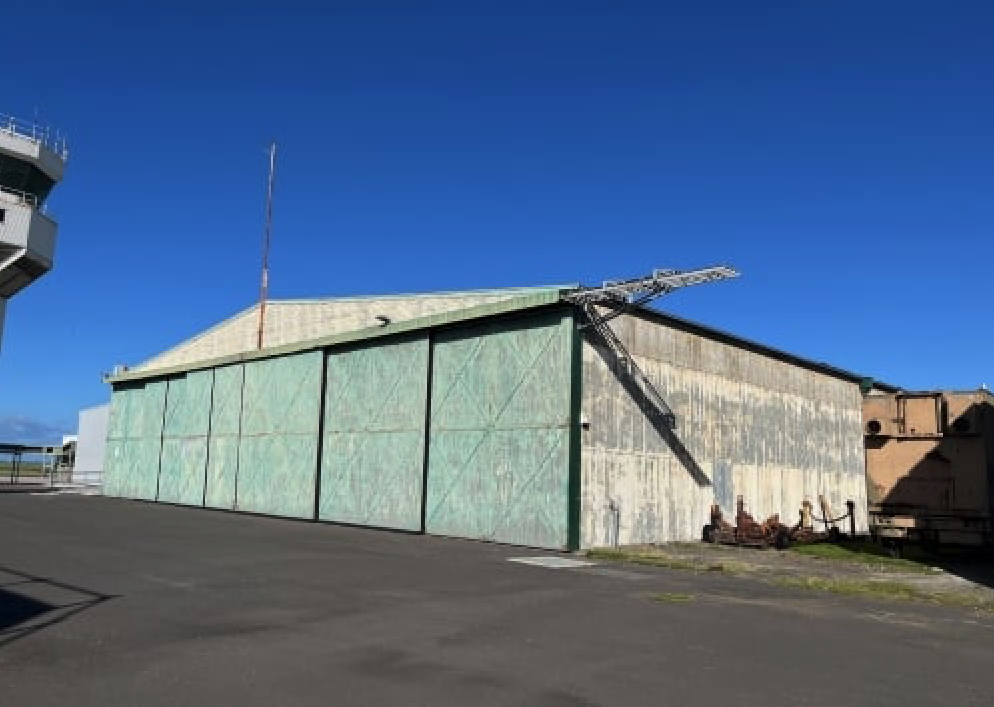
Image: Point Cook RAAF Base. Source: DCCEEW, Australian Heritage Photographic Library.
Heritage protections: what’s in place
Heritage has emerged as a central concern for many communities. Defence has confirmed that heritage management plans will be prepared for every site, regardless of whether it meets the threshold for Commonwealth Heritage listing.
A key clarification is that when Defence factsheets list a site’s heritage as “nil,” this only refers to Commonwealth-level listing. It does not mean the site lacks state or local heritage value. As the process continues, there is an expectation that these broader heritage considerations will be better reflected.
For sites already on the Commonwealth Heritage List, protections will transition to state authorities—such as Heritage Victoria—once the land is no longer Commonwealth-owned. This is intended to ensure continued and potentially stronger protection.
How will these sites be sold?
At this stage, the Department of Finance, who will be managing the sale of the properties specifically, have not ruled out any options for future purchase and use. This means that if you have an incorporated community group or you are creating a community trust, this is still a possibility on the table.
You can be included in the conversation and ensure your established idea is being heard by submitting to the online EOI process. Please be aware that many of the heritage specific sites are not going to be up for the Department of Finance’s processes for up to 2 years.
Timeline: what happens next
The overarching goal is for most sites to be divested within two years. However, timelines will vary significantly depending on complexity.
- Simpler sites may be finalised in as little as six months
- More complex sites—such as Point Cook or Maribyrnong—are expected to take longer than two years
Both Defence and Finance have acknowledged that a one-size-fits-all timeline is not realistic.
Environmental and open space considerations
Many Defence sites include significant green space. This presents an opportunity to retain or expand public access to open land, which could benefit local communities. However, how this will be achieved remains unclear and will likely depend on future ownership and planning decisions.
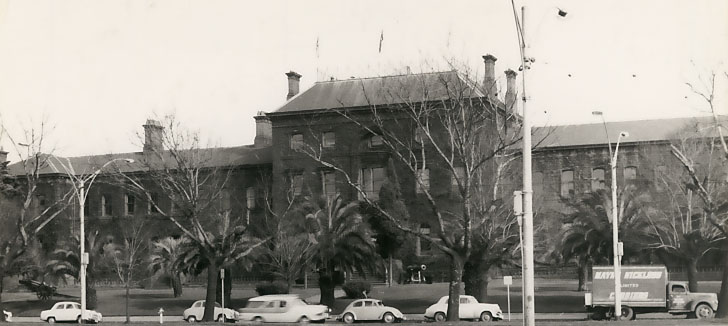
Image: Victoria Barracks A Block St Kilda Rd Melbourne.
Key concerns beyond heritage
Several non-heritage issues have also emerged:
- Relocation of cadets and reservists: Moving these groups to new facilities raises concerns about loss of identity, community connection, and intangible heritage.
- Uncertainty about new facilities: There are questions about whether replacement buildings will meet operational needs.
- Public access claims: Defence has suggested sites may become more accessible after divestment, but there are currently no concrete examples or guarantees of how this will happen.
The bigger picture
The Defence divestment process is not just about selling land—it’s about reshaping how public, and particularly heritage assets are used, preserved, and integrated into civilian life. With multiple overlapping processes, long timelines, and significant local impacts, community engagement will remain critical.
To learn more about the National Trust involvement in this process you can read more here.
More updates:
You can register for more updates here, or contact the Defence divestment team at: [email protected]
+ There are no comments
Add yours